Example routes
Walking itinerary
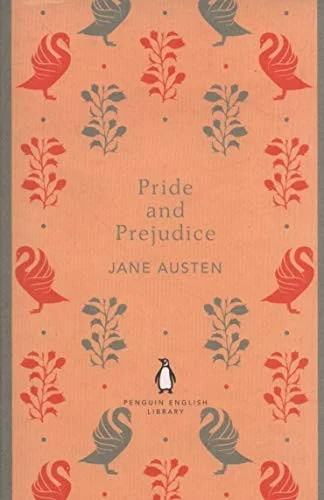
Pride and Prejudice
Bath, England
Jane Austen
12 places 3.2 km 52 min
Walking itinerary
Pride and Prejudice
Bath, England
Jane Austen
Walking itinerary
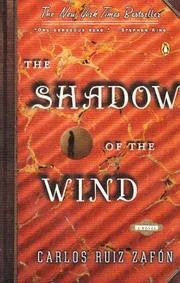
The Shadow of the Wind
Barcelona, Spain
Carlos Ruiz Zafon
18 places 5 km 1 h 25 min
Walking itinerary
The Shadow of the Wind
Barcelona, Spain
Carlos Ruiz Zafon
Walking itinerary
The Da Vinci Code
Paris, France
Dan Brown
14 places 4.1 km 1 h 10 min
Walking itinerary
The Da Vinci Code
Paris, France
Dan Brown
Frequently Asked Questions
What is LiteraryTrip?
LiteraryTrip is a mobile app for literary travel. It turns novels, authors, and destinations into walkable city routes by connecting books with real places that can be found on a map. A reader can search for a book or start from a city, review the literary connection, and follow a route with narrative context at each stop. The app is designed for travelers, readers, book clubs, teachers, students, and cultural tourists who want to experience a place through the stories connected to its streets, cafes, museums, neighborhoods, and landmarks. In practice, LiteraryTrip sits between a reading companion and a city guide: it helps people decide what to read before a trip, understand why a place matters inside a story, and save literary walks for later. This makes each route useful both as travel planning and as cultural interpretation.

How does LiteraryTrip create a literary route?
LiteraryTrip creates a literary route by analyzing the relationship between a book and real-world places. First, the app looks for scenes, references, landmarks, streets, neighborhoods, and cultural locations that are meaningful to the story. Second, it keeps the strongest places when they have a defensible literary connection and can be represented on a map. Third, it organizes those places into a route that can be explored on foot when the geography supports it. Each route is built around practical map use and literary context, so the result is not just a list of pins. The goal is to help readers understand why each place matters inside the book, how those places relate to one another, and how the story can become a real city walk. Weak or ambiguous locations should be filtered out rather than treated as reliable stops.
Can I search by book, author, or city?
LiteraryTrip supports both book-first and city-first discovery. A reader can search for a specific title or author to see whether a literary route can be generated from verifiable places in the story. A traveler can also search for a destination and discover books connected to that city before choosing a route. This makes LiteraryTrip useful in several moments: before a trip, during a city walk, while choosing what to read next, or when preparing a book club discussion. Route availability depends on whether the book has enough real places with a defensible literary connection. When a route cannot be generated reliably, LiteraryTrip should avoid presenting weak locations as certain facts and should favor clearer books, cities, or route types. That keeps the app focused on trustworthy literary travel rather than speculative sightseeing.
How is LiteraryTrip different from a generic walking tour app?
LiteraryTrip is different from a generic walking tour app because every route starts from a book, an author, or a literary destination. A normal walking tour usually focuses on monuments, restaurants, or general sightseeing. LiteraryTrip focuses on narrative meaning: where a scene happens, where an author lived or wrote, which streets shaped the story, and which real places help a reader understand the book more deeply. The app is built for literary maps, book-inspired travel, and walking routes that combine practical navigation with cultural context. For example, a Paris route is not only a path through central streets; it is a way to connect a novel, its scenes, its landmarks, and the reader’s movement through the city. The value is the relationship between place, story, and memory.